15" Deep Solid Wood Closet Systems: Shelving, Hanging & Drawers
15-inch deep is the closet industry’s most popular depth — and Lundia’s most popular for both reach-in and walk-in closets. Hanging capacity is identical to 18″ and 24″; clothes stick out about 5″ past the front edge of the frame, which is industry-standard. Drawers, hang bars, and accessory racks are all available at this depth. Doors work in front of shelves only, not hanging. Every Lundia 15-inch component is 100% solid lumber — no particle board, no formaldehyde, made in USA, and trusted by the White House.
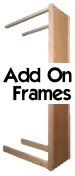
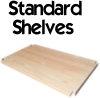
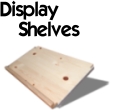
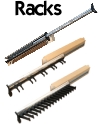
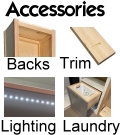
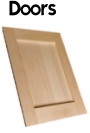
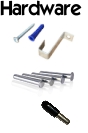
Click any image or link below to see product and pricing:



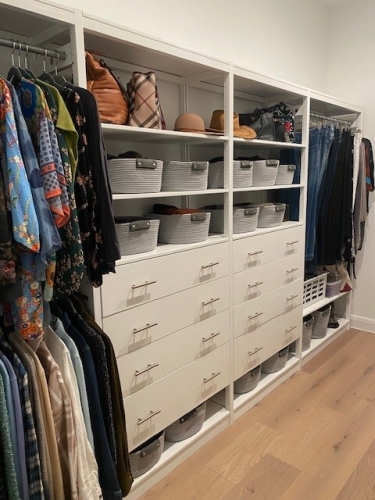
Photos taken by customers:
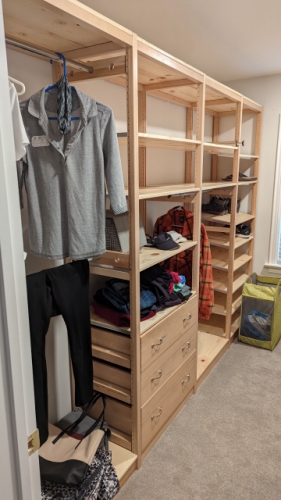
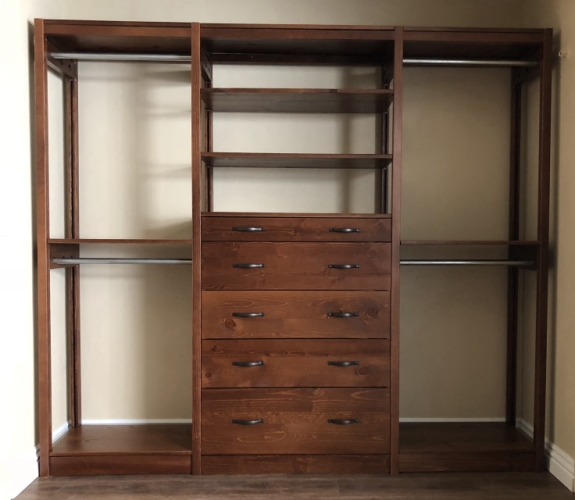
Why 15-Inch Is the Closet Industry’s Most Popular Depth
15″ is the depth used by most professional closet companies for residential reach-in and walk-in closets — and Lundia’s most popular depth for the same reason. The math is simple: a hanging dress shirt is about 22 inches front-to-back, so any closet system narrower than the full hanging depth will leave clothes sticking out past the front edge. At 15″, clothes stick out about 5 inches — standard in the industry. That’s usually fine, because most closets either have no doors over hanging or use bifold/sliding doors that don’t need full clearance.
The benefit of stopping at 15″ instead of going deeper: you save 3″–9″ of room space, and folded clothes on shelves are easier to see (you don’t have to reach 24 inches into the back to find a sweater). For most homes, 15″ is the sweet spot.
What 15-Inch Deep Closets Are Best For
- Reach-in closets — The default depth for standard residential reach-ins. Hanging, drawers, shelves, and accessory racks all fit. See reach-in layout guidance.
- Walk-in closets — Lundia’s most popular walk-in depth. Use 15″ on every wall, or mix with 12″ on shelving walls and 24″ where you want doors over hanging. See walk-in layouts.
- Folded clothing & linens — 15″ shelves comfortably hold sweaters, jeans, towels, and bedding.
- Full drawer column — 15″ drawers hold folded clothes, accessories, and underwear without dresser-depth overkill.
- Accessory racks — Pull-out tie, belt, and scarf racks mount inside 15″ frames.
How to Configure a 15-Inch Deep Wood Closet
A common 15″ layout breaks the wall into three vertical zones:
- Top zone (above 80″) — Adjustable shelves for storage bins, sweaters, and seasonal items.
- Middle zone (40″–80″) — Hang bars. Single-hang for dresses and coats, or double-hang for shirts above folded pants.
- Bottom zone (floor to 40″) — A column of solid-wood drawers, with optional pull-out racks for accessories.
Mix in angled display shelves for shoes, and add solid-wood doors in front of shelving sections (doors don’t close cleanly in front of hanging at 15″ — for that, use 24″). Every component slots into the same upright system, so layouts can change as your wardrobe changes. See how Lundia’s adjustable system works.
Heavy-Duty Steel Hang Bars on Solid Wood Rails
Lundia hang bars aren’t just a wood dowel screwed into a frame. We use solid wood rails that support heavy-duty steel hang bars — finished with a durable powder coat that’s as beautiful as it is tough. Unlike the bowed, sagging closet rods you’ll find in most particle-board reach-ins, Lundia hang bars are built to heavy-duty commercial-grade standards and will never bow — period. The same hang bar construction we’ve installed in libraries, hospitals, and military buildings for over 50 years now hangs the clothes in your closet. See 15″ hang bar specs.
15″ vs. 18″ vs. 24″ — Which Depth Do You Need?
Hanging capacity is identical at all three depths — clothes hang on the bar at the same width regardless of frame depth. What changes is how far hanging clothes stick out and what doors will close over:
- 15″ — Clothes stick out about 5″ past the frame. Doors work in front of shelves only, not hanging. Most popular for reach-ins and walk-ins without doors over hanging.
- 18″ — Clothes stick out about 2″ past the frame. Adds extra shelf/drawer space. Doors can work in front of pants and smaller hanging items, with our 18″ hang bar rails providing a center hanging position designed for door clearance.
- 24″ — Hanging clothes fit fully behind the front edge. Doors close over all hanging. The depth for closets and wardrobes with full doors.
15-Inch Deep Closet System — Frequently Asked Questions
Why is 15-inch the most popular closet depth?
It’s the closet industry’s sweet spot: full hanging capacity, full drawer support, accessory racks, and shelving — without taking up the room space a 24″ system would. Most professional closet designers default to 15″ unless the client specifically wants doors over hanging clothes (which requires 24″).
Will my clothes really stick out 5 inches past a 15-inch frame?
Yes — this is true at any depth less than the full ~22 inches needed for a hanging shirt. It’s standard in the closet industry. The clothes overhang the frame by about 5 inches, which is invisible if there are no doors and unobtrusive with sliding or bifold doors. If you want doors that close cleanly in front of all hanging clothes, you need 24″ depth.
Does Lundia offer drawers at 15-inch depth?
Yes — 15″ drawers are available in multiple sizes. They hold folded clothes, accessories, and underwear comfortably.
Can I mix 15-inch with other Lundia depths?
Yes. A common walk-in layout uses 15″ on most walls (hanging + drawers), 12″ on shelving walls (folded clothes, shoes), and 24″ where you want doors over hanging. All depths share the same modular footprint and finish.
How strong are 15-inch Lundia shelves and drawers?
Lundia is built to commercial-grade load standards — the same construction we’ve supplied to libraries, hospitals, and military bases for over 50 years. See full strength specifications.
Get a Free 15-Inch Deep Wood Closet Design
Send us your closet’s dimensions and tell us how you want to use the space — we’ll draft a custom 15″ deep solid-wood layout for free, with full pricing, no obligation. Or use the free Design Assistant to plan it yourself online.