"Why allow one of the most Toxic Chemicals in the most Confined Space in your Home?"


Get the facts for yourself about Carb Complaint Melamine/Particle Board:
Used by nearly every other major closet manufacturer, melamine/particle board was found to be causing cancer by the California EPA (Actual stats are listed below).
Carb Complaint Melamine was created as a compromise between the Wood Composites Industry and the California EPA to REDUCE the amount of Cancer Cases, NOT ELIMINATE them.
Today's Carb Complaint board is still made with Formaldehyde. Formaldehyde is the glue that bonds all the chunks of wood together. Carb Complaint Melamine Particle Board REDUCES the amount of Cancer cases by 35 to 97 cases per million. It does NOT
ELIMINATE the risk. Because of the REDUCTION, this is now considered to be an "Acceptable Risk".
We work with clients that don't want any risk with the wood material that goes into their closet (The most confined space in your home)
Here are the facts (All of this is publically documented):
- FACT: U.S. EPA's current report once again concludes that "Formaldehyde causes Leukemia and other Cancers".
- FACT: Virtually, every major Government and Medical Agency has documented that "Formaldehyde causes Cancer".
- FACT: Over 50 years of research and testing have confirmed the dangers of Formaldehyde.
- FACT: California EPA reported years ago that Wood Composites (Particle Board, Melamine, and MDF) in the home were causing cancer.
- FACT: EPA reported the risk of Cancer to children under 9 was 23 to 63 cases per million due to wood composites in the home (Page 31).
- FACT: EPA reported lifetime risk of Cancer was 86 to 231 cases per million due to wood composites (*Page 31).
- FACT: Carb Complaint Melamine standards were created as a compromise to REDUCE the risk of Cancer.
- FACT: Carb Complaint Melamine REDUCES Cancer by 35 to 97 cases (*Page 49).
- FACT: EPA estimated the cost to the Wood Composite Industry for switching to Carb Complaint at almost $150 million dolloars (*Page 52).
- FACT: As part of the Compromise, this REDUCED amount of Formaldehyde is now considered an "Acceptable Risk".
*Link to Document: California EPA REPORT
*Link to document on CA EPA Website
We believe it should be up to consumers to determine the risks.
We believe manufacturer's should list the Ingredients in their products.
Why is it that 90% of other closet manufacturer's don't even list the actual materials used in their production?
Compare: Solid Wood vs. Particle Board
Solid Wood Process
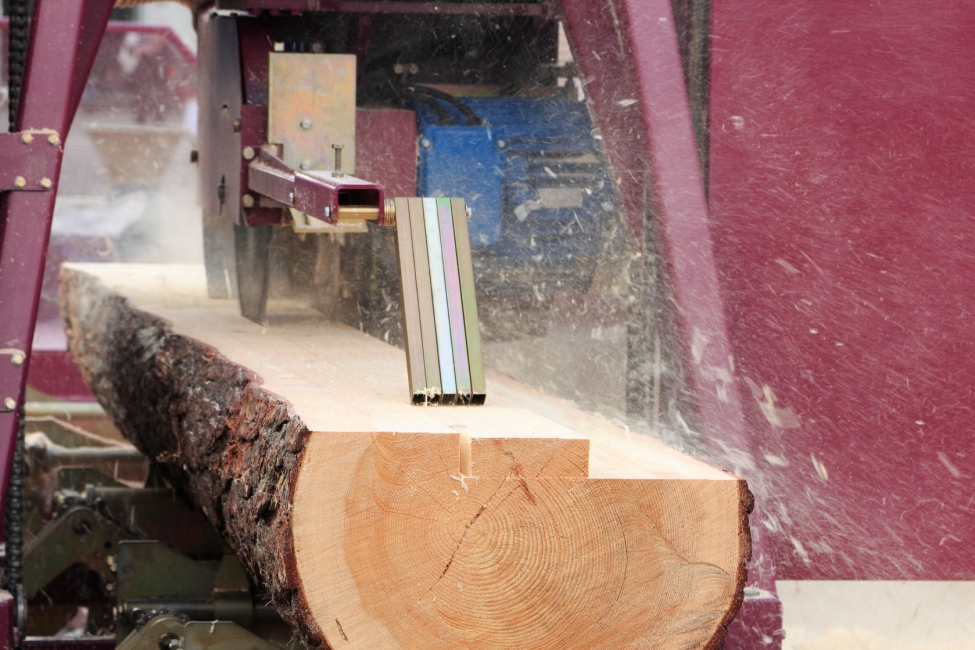
Lumber is Cut
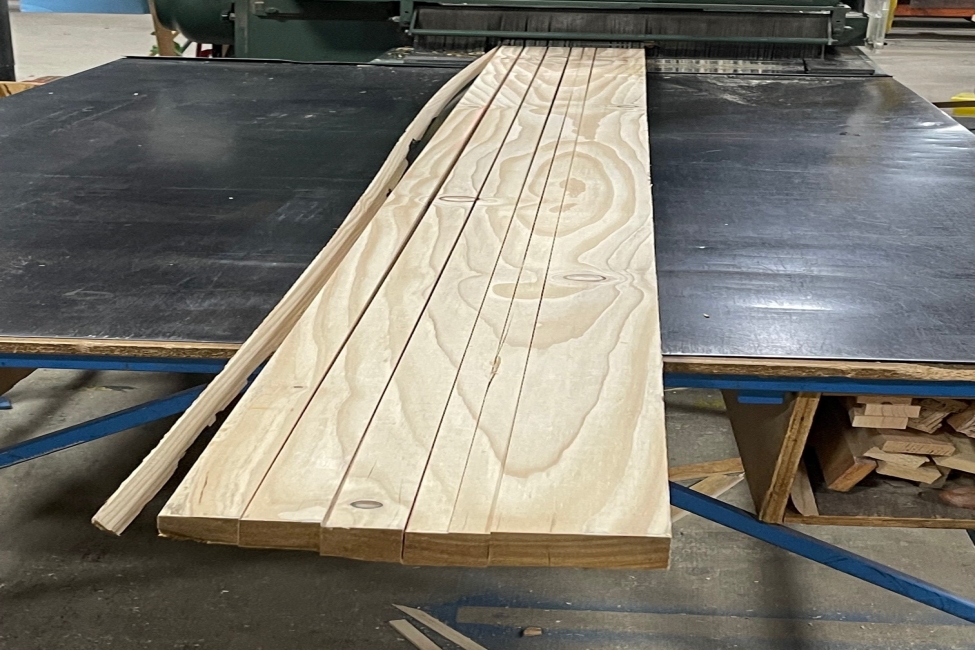
Lumber is Milled
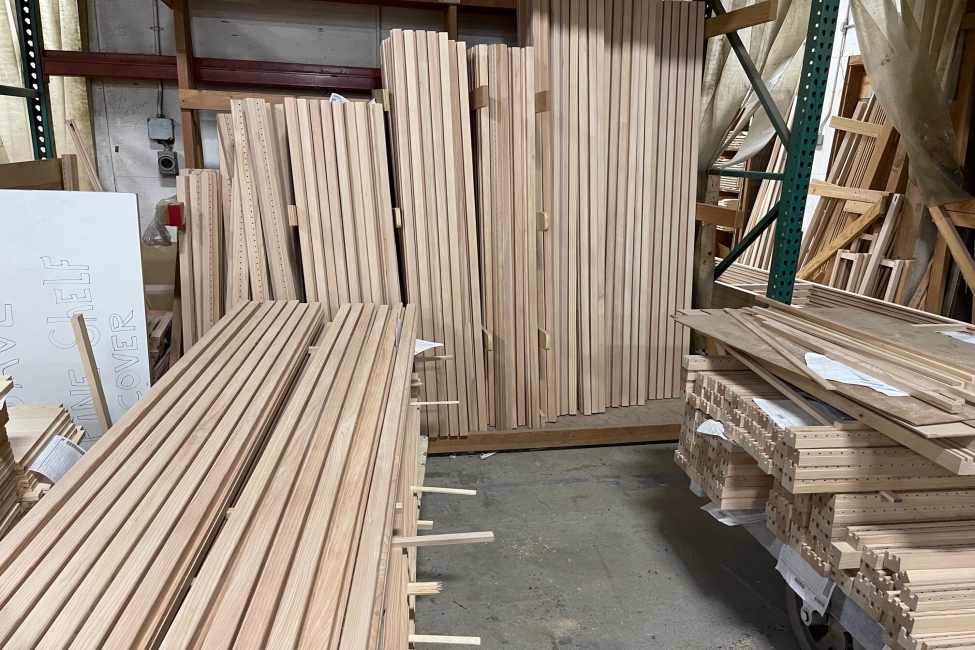
Into Solid Components
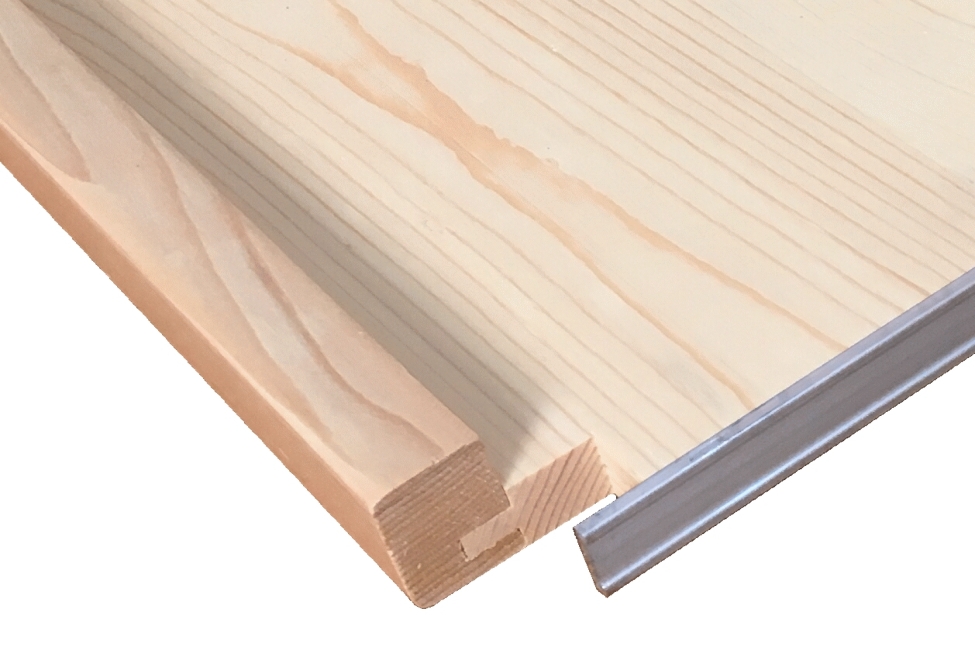
Real Solid Wood
Particle Board Process
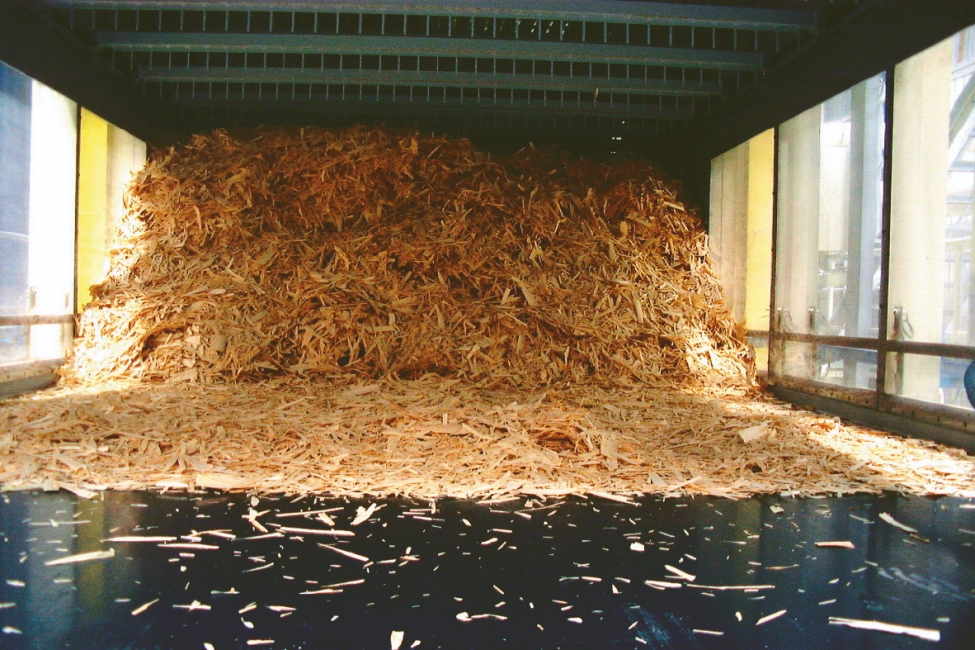
Wood is Shredded

Glued with Formaldehyde
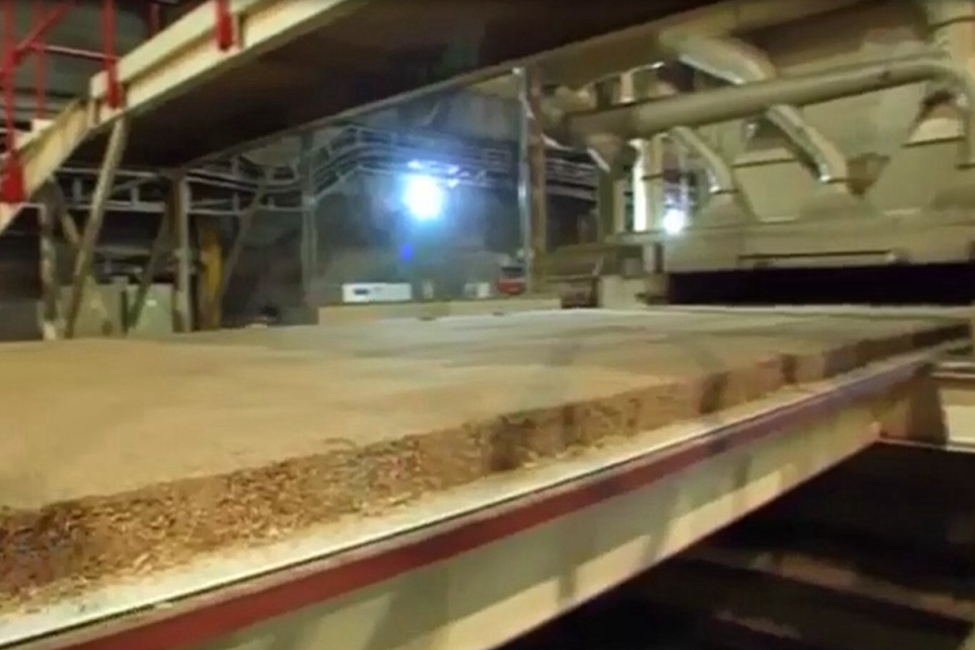
Into Baked Panels
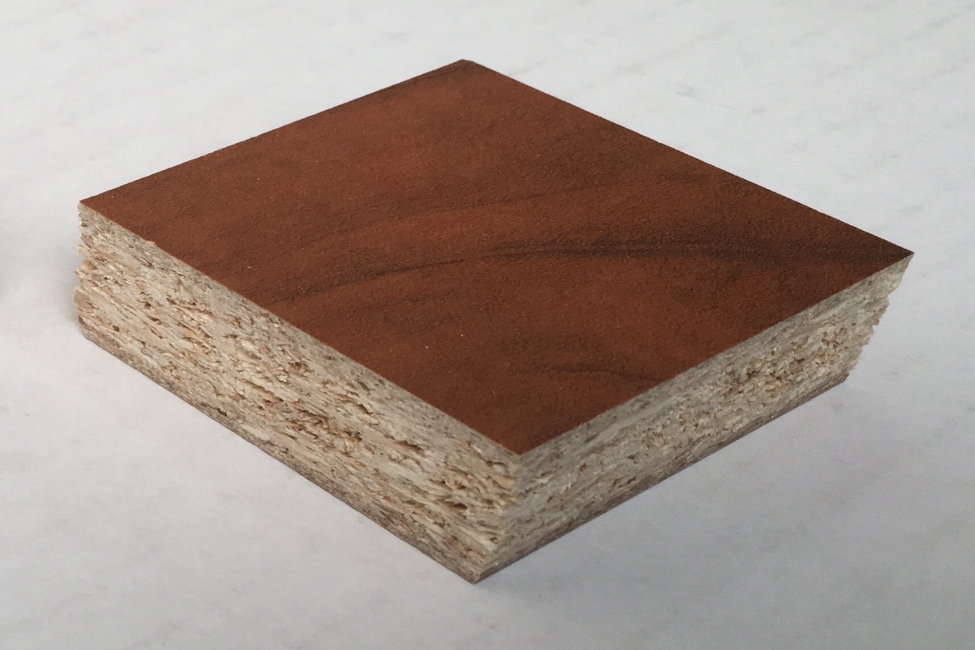
Fake Wood Print
Solid Wood vs. MDF, Melamine, and Particle Board
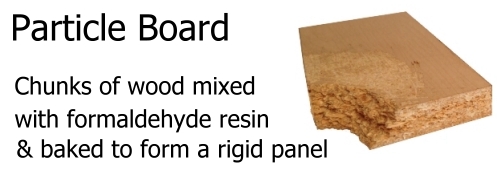
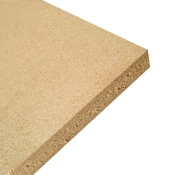
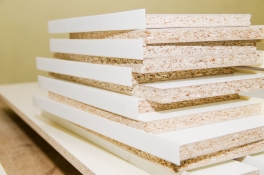
Particle board is made of thousands of small wood chunks glued together with formaldehyde resin. It's the least expensive material for making wood products. Particle Board is the core panel that is used for melamine panels
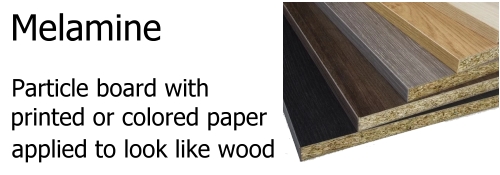
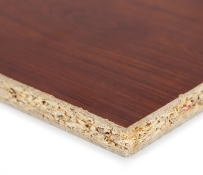
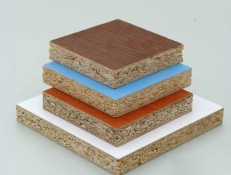
Melamine is simply particle board or MDF with a printed paper material attached to one or both sides of the particle board. It is the least expensive material for making wood products with a simulated appearance of real wood. This is the material used by California Closets, Closets by Design, Closet World, The Container Store, Ikea, Closet Maid and Home Depot.
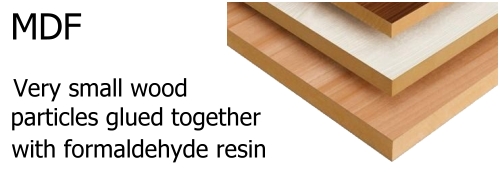
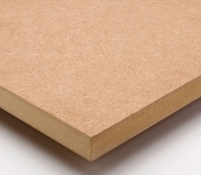
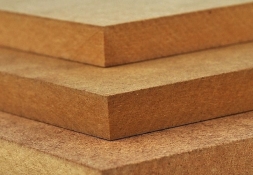
MDF is particle board made with extremely fine wood particles instead of wood chunks. The benefit of MDF is that it is stronger than standard particle board and can be routed and/or painted. However, standard MDF contains more formaldehyde as more resin is needed to bond the smaller particles. This material is commonly used by cabinet makers as a lower cost alternative to plywood and covered with paper melamine, plastic laminate (HPL) or actual wood veneer.
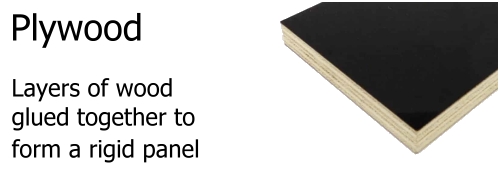
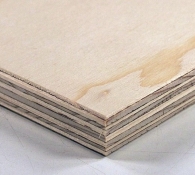
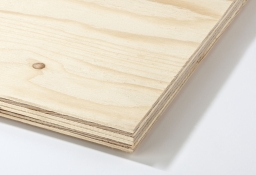
Plywood is several layers or ply's of wood that are all glued together to form a plywood panel. There are numerous quality levels of plywood depending on the material, the amount of layers and the glue used to make the plywood. Glue on standard plywood contains formaldehyde, although not nearly as much as particle board. Glue on Soy Based Plywood is made out of soy bean and contains no formaldehyde. This is the material used most often by cabinet makers for custom cabinetry. This is typically considered the best material next to solid wood.
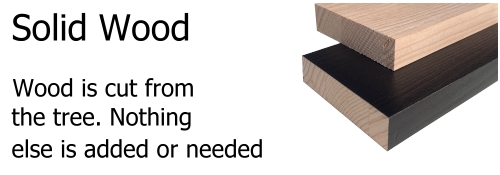
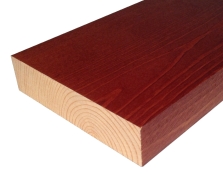
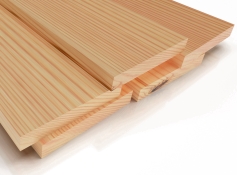
Solid Wood is cut directly from the tree and milled to different thicknesses. It is then surfaced/planed into dimensions prepped for final use....typically made in 3/4", 1", 1 1/4" and 2" thicknesses for cabinet use. The lumber industry describes the thickness of solid wood in "Rough" dimensions after it has been cut in the mill but before it is surfaced smooth into it's final thickness. That is why a 2" x 4" is actually only 1 1/2"thick. It was cut at 2"thick before being surfaced smooth. This is the material used by Lundia USA. It requires more skilled labor and much more involved manufacturing processes. A cabinet frame made out of melamine/particle board will have 4 pieces. That same frame made out of solid wood will require 14 separate solid wood parts.